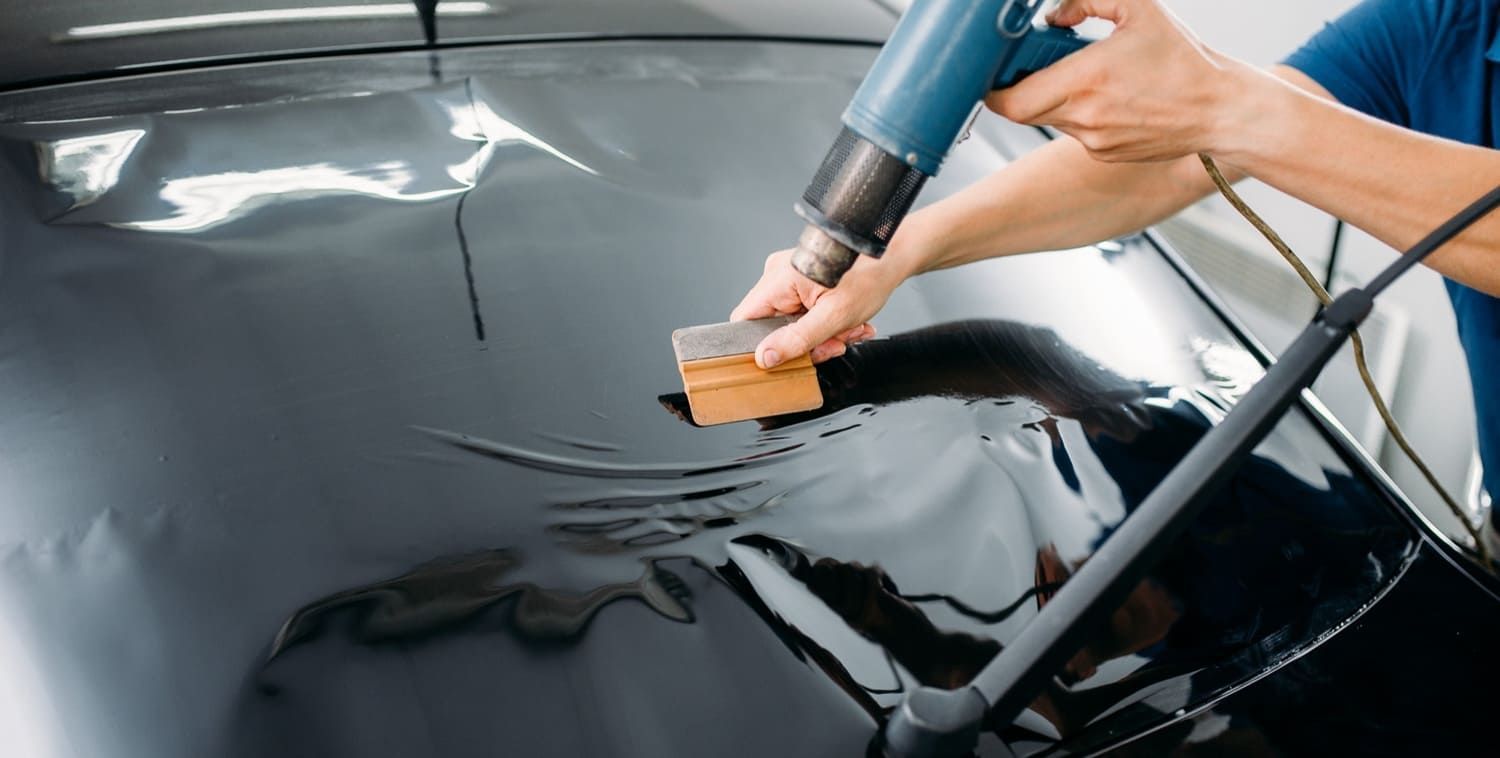
Window Tint Laws in Tennessee 2026: What Changed?
Introduction: Why Window Tint Law Updates Matter in Tennessee (2026)
Window tinting is an essential upgrade for many drivers in Lebanon, TN—helping to fight intense summer heat, reduce glare, and
protect vehicle interiors from harsh UV rays. However, many drivers overlook just how quickly
Tennessee window tint laws can change, leaving them at risk of costly fines, forced tint removal, or even failed annual inspections. As enforcement becomes more sophisticated across the state, staying up to date on the latest regulations for 2026 has never been more important. Understanding exactly what has changed and what remains the same empowers drivers to make smart decisions, avoid expensive re tinting jobs, and ensure their vehicles stay road legal. This comprehensive guide breaks down Tennessee’s tint law updates for 2026, outlines the details every driver needs to know, and offers expert tips on choosing compliant film that delivers both heat rejection and legal peace of mind.
Table of Contents
- Overview: Tennessee Window Tint Laws Pre-2026 vs. Updated Rules
- Legal Visible Light Transmission (VLT) Percentages for All Vehicles
- Windshield Tint Rules: Placement, Tint Strip, and Visibility
- Reflectivity, Film Colors, and Restricted Tint Types
- Enforcement Practices, Tint Meter Testing, and Penalties
- Medical Exemptions: Qualifications and Application Process
- Choosing Compliant Tint for Comfort, Heat Rejection, and UV Protection
- FAQ: Answers to Top Questions About Tennessee Tint Laws 2026
- Conclusion & Next Steps
1. Overview: Tennessee Window Tint Laws Pre-2026 vs. Updated Rules
Prior to 2026,
Tennessee window tint laws had remained relatively consistent, with clear limits on visible light transmission (VLT), certain restrictions on reflectivity and colors, and set rules for windshields. However, recent years brought more advanced tint materials—such as ceramics and nano-technologies—leading lawmakers to revisit existing statutes. In 2026, the Tennessee General Assembly updated key areas of the tint code. The major changes affect VLT percentages for certain vehicle categories, increase focus on enforcing windshield standards, and introduce more specific regulations regarding tint reflectivity and permitted film colors.
The following table summarizes main differences between previous and updated rules:
| Regulation Area | Before 2026 | 2026 Update |
|---|---|---|
| Front Side Window VLT | 35% | 35% (No change) |
| Rear Side Window VLT | 35% (passenger cars), No Limit (SUVs/trucks) | 35% All Vehicles |
| Rear Window VLT | 35% (passenger cars) | 35% All Vehicles |
| Windshield Tint Strip | Top 5 inches or AS-1 line | No lower than AS-1, stricter enforcement |
| Reflectivity Limit | Non-specific | New cap at 20% reflectivity |
| Prohibited Colors | Red and amber | Red, amber, yellow, blue now prohibited |
Staying informed ensures Lebanon drivers avoid unnecessary citations and stay comfortable year-round.
2. Legal Visible Light Transmission (VLT) Percentages for All Vehicles
Visible light transmission (VLT) is the metric used to describe how much visible light passes through vehicle windows. Tennessee tint laws for 2026 specify these minimum VLT percentages by vehicle type—regardless of manufacturer or use:
| Vehicle Type | Front Side Windows | Rear Side Windows | Rear Window |
|---|---|---|---|
| Passenger Cars | 35% | 35% | 35% |
| SUVs/Trucks | 35% | 35% | 35% |
- 35 percent VLT means at least 35 percent of visible light must pass through the glass plus any applied film.
- Factory glass combined with aftermarket film must meet the same standard after installation.
- Measuring tint accurately typically requires a professional tint meter in compliance check scenarios.
Window tint VLT in Tennessee is a key enforcement priority, so Full Throttle Custom Automotive always recommends choosing
professional installation to ensure compliance with these numbers.
3. Windshield Tint Rules: Placement, Tint Strip, and Visibility
Tennessee’s law allows windshields to have a non-reflective tint applied only above the manufacturer’s AS-1 line, typically covering the top 5 inches. For 2026, the statute is now more closely enforced, and tints that extend too far down the windshield or interfere with driver visibility are now at higher risk for a failed inspection or ticket.
- Non-reflective tint only above the AS-1 line or 5 inches from the top, whichever is longer
- No colored (blue, red, amber, or yellow) films allowed on the windshield
- No mirrored or reflective films permitted
- Front windshield film must not reduce visibility for the driver, especially at night or during rain
Installing windshield tints at Full Throttle Custom Automotive in Lebanon, TN assures your vehicle meets the most current rules and passes annual inspection hassle free.
4. Reflectivity, Film Colors, and Restricted Tint Types
The 2026 update creates explicit reflectivity and color rules for aftermarket window films:
- Reflectivity: No window may have a film reflecting more than 20 percent of light. This means fully mirrored films, or highly reflective products, are not permitted on any part of the vehicle.
- Tint Colors: Red, amber, yellow, and blue aftermarket films are now prohibited. Neutral, gray, or black films that do not alter glass color are safest choices.
- Film Types: Metallic or mirrored films, or any film likely to interfere with GPS, cell phone, or ADAS sensors, should be avoided. Choose professionally rated nano-ceramic or carbon films for best results.
Always discuss film options with your installer. Full Throttle Custom Automotive exclusively stocks compliant, high-performance films that meet all Tennessee tint regulations.
5. Enforcement Practices, Tint Meter Testing, and Penalties
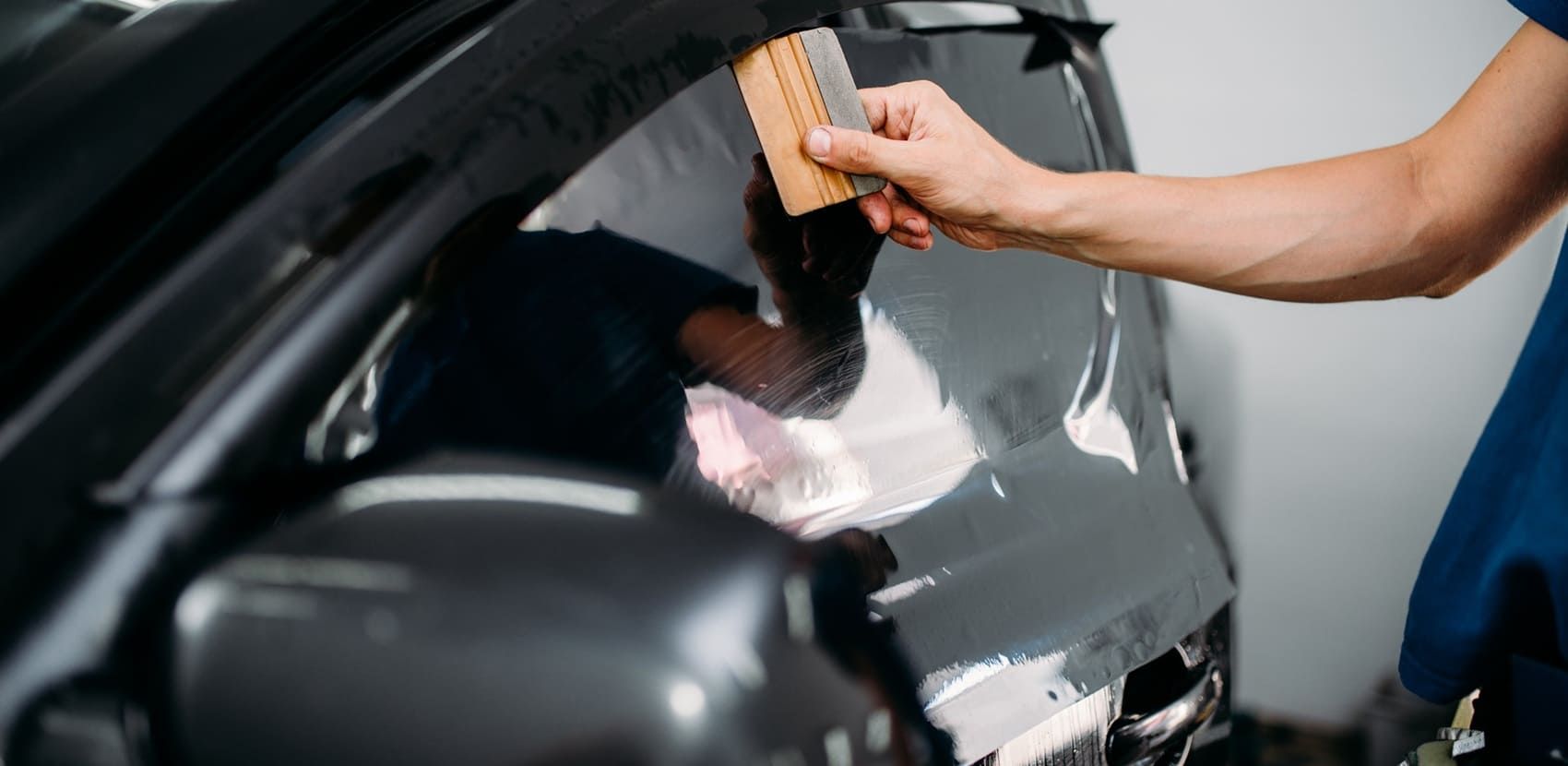
Since enforcement and technology are advancing, Tennessee police now regularly use electronic tint meters to check VLT compliance during traffic stops. Vehicles are also inspected annually as part of registration renewal in many areas, including Lebanon, TN. Violations may result not only in monetary fines but in forced removal of non-compliant film before your registration is renewed.
- Tint Meters: Police and inspectors measure actual VLT through a digital device placed on the window.
- Fine Rates: Typical penalties range from $100 to $250 per violation, with added costs for re tinting and re inspection.
- Repeat Offenses: Multiple citations can lead to increased fines, possible court appearances, and registration blocks until fix verified.
See Full Throttle Custom Automotive for a pre-compliance check or tint meter reading to ensure your vehicle is 100 percent legal before any hassle occurs.
6. Medical Exemptions: Qualifications and Application Process
Tennessee law allows drivers with qualifying medical conditions to apply for a medical exemption permitting darker or otherwise non-standard tint. The process involves obtaining a physician’s certification, submitting required paperwork, and receiving a state-issued certificate to display in your vehicle.
- Common approved conditions include photosensitivity, melanoma, lupus, and certain eye diseases
- Exemption paperwork must be completed and filed with the Tennessee Department of Safety
- Keep all medical exemption documentation in your car at all times to show law enforcement or during inspections
For help with exemption paperwork, Full Throttle Custom Automotive can provide you with information and support to streamline the process if you believe you might qualify for these special rules under Tennessee tint regulations.
7. Choosing Compliant Tint for Comfort, Heat Rejection, and UV Protection
Even with strict 2026 rules, you can still enjoy cooler interiors, privacy, and superior UV protection if you
select the right window tint. Modern nano-ceramic and non-reflective carbon technologies provide industry leading heat rejection and clarity while keeping your VLT fully compliant.
- Ask for nano-ceramic or high quality carbon film—these offer superior performance without noticeable dimming or color distortion.
- Choose neutral color tones with less than 20 percent reflectivity.
- Get written confirmation of your film’s VLT rating and installation documentation for every new tint job.
- Professional installers like Full Throttle Custom Automotive use calibrated tools to guarantee perfect legal results every time.
FAQ: Answers to Top Questions About Tennessee Tint Laws 2026
How do police measure window tint in Tennessee?
Police use a calibrated tint meter on your window to directly measure light transmission and confirm compliance with Tennessee’s legal limits.
Do I need to remove my existing tint for 2026?
Only if your current film does not meet updated VLT, color, or reflectivity standards. Full Throttle Custom Automotive can test your vehicle and recommend the best solution.
What is the difference between car and truck/SUV tint regulations?
In 2026, all passenger vehicles, SUVs, and trucks must follow the same 35 percent VLT minimum across all side and rear windows.
Can I use mirrored or colored films for my car windows?
No. Tennessee regulations now prohibit mirrored films and the use of red, blue, yellow, or amber tints.
How will the new law affect night driving?
Legal films designed for 35 percent VLT maintain strong visibility at night, but illegal dark tints will be subject to penalty and possible removal.
What is the medical exemption for window tint?
A qualified medical exemption allows darker than standard legal tints with approved physician documentation and state authorization.
How should I choose the best legal car tint in Lebanon, TN?
Work with professional, local installers who use certified equipment to select a high-performance, compliant film tailored to your needs.
Can out-of-state vehicles get ticketed in Tennessee for window tint?
Yes, Tennessee police can enforce state laws for any vehicle operating in the state, even those registered elsewhere.
How do I prove my window tint is legal?
Request installation certification and technical data from your tint shop. Keep receipts and documentation in your glove box.
Does Full Throttle Custom Automotive provide legal tinting services?
Yes—Full Throttle Custom Automotive offers only compliant films, expert installation, and free pre-compliance checks for all Lebanon, TN drivers.
Conclusion & Next Steps
The 2026 Tennessee window tint law updates set clear, strict rules for every driver in
Lebanon, TN, and across the state. By understanding VLT limits, windshield restrictions, new reflectivity and color bans, and the process for medical exemptions, you can confidently keep your vehicle legal and comfortable all year long. Don’t risk tickets, re tinting, or failed inspections—work with a trusted local expert.
Contact
Full Throttle Custom Automotive in
Lebanon, TN today for the latest certified compliant window film options, professional installation, and a
free estimate. Our team will ensure your tint meets every Tennessee regulation while maximizing heat rejection, UV protection, and
driving comfort. Drive safe, stay cool, and stay legal in 2026 and beyond!