Ceramic vs Graphene Tint: Which Blocks More Heat?
Ceramic vs graphene tint is one of the biggest questions we hear from drivers across Lebanon, TN and the surrounding Middle Tennessee area. The reason is simple: heat rejection is often the number one motivation for installing window film. When the sun is intense, a vehicle can feel like an oven in minutes. Tennessee summers bring high humidity, strong afternoon sun, and long stretches of heat that can push cabin temperatures well beyond what feels safe or comfortable. That heat makes A/C work harder, causes seats and steering wheels to burn to the touch, and accelerates interior fading and cracking over time.
Newer film technologies such as
ceramic and
graphene have become popular because they are engineered to reduce infrared energy that drives “felt heat,” while still maintaining excellent visibility and a refined look. If you are comparing options for
heat blocking window tint Tennessee drivers can rely on, this guide will help you understand how each technology works, what performance numbers actually mean, and how to choose the right LLumar Auto Window Tint solution for your daily driving in Middle Tennessee.
Table of Contents
- 1. How Window Tint Blocks Solar Heat and IR
- 2. What Ceramic Window Tint Is (and How It Works)
- 3. What Graphene Tint Is (and How It Compares)
- 4. Ceramic Tint Heat Rejection vs Graphene Performance
- 5. Durability, Clarity, and Signal Compatibility
- 6. Cost Considerations and Long Term Value
- 7. Why Professional Installation Matters for Warranty
- FAQ: Ceramic vs Graphene Window Tint
- Conclusion and Free Estimate
1. How Window Tint Blocks Solar Heat and IR
To make sense of a graphene tint comparison (or any film comparison), it helps to understand what “heat” means in window film terms. Sunlight hitting your glass includes three key energy categories:
- Visible light (what your eyes see). This is measured as VLT, or visible light transmission.
- Ultraviolet (UV) (what causes skin damage and interior fading). Many premium films block up to 99 percent of UV.
- Infrared (IR) (a major driver of the heat you feel). This is what most people mean when they want “maximum heat rejection.”
Window tint reduces heat in two primary ways. First, it reflects and absorbs a portion of solar energy before it enters the cabin. Second, advanced films can selectively filter infrared wavelengths while keeping glass clarity high. This matters because a very dark film can reduce visible light, but darkness alone does not guarantee strong IR filtering. That is why modern ceramic and graphene films are popular: they can deliver high ceramic tint heat rejection or comparable IR control while keeping a clean, premium appearance.
When comparing films, you will often see these metrics:
- IR Rejection (IRR) : How much infrared energy is blocked at a specified wavelength (often 900 nm or 1000 nm). Always confirm the test wavelength because numbers can differ by method.
- Total Solar Energy Rejected (TSER) : A broader measurement that considers UV, visible, and IR energy combined. TSER is often a better “real world comfort” indicator than IRR alone.
- Glare Reduction : Helps with comfort and eye fatigue, especially during bright Middle Tennessee afternoons.
- UV Rejection : Protects skin and preserves dashboards, leather, and fabric.
Quick comparison visual (what numbers usually mean):
- Higher IRR usually means less “burning” heat on your arm in the sun.
- Higher TSER usually means a cooler cabin overall and less A/C strain.
- Higher clarity means easier night driving and a cleaner look in daylight.
2. What Ceramic Window Tint Technology Is and How It Works
Ceramic window tint uses non-metallic, non-dyed ceramic particles embedded in the film. Those particles are engineered to filter infrared heat efficiently while maintaining excellent optical clarity. For many drivers researching ceramic vs graphene window tint , ceramic is the benchmark because it combines comfort, performance, and signal-friendly construction.
Here is what ceramic tint typically does well:
- Strong IR heat rejection without needing a mirrored or metallic look.
- Excellent UV blocking that helps protect skin and slow interior fading.
- Stable color and long-term appearance compared with older dyed films.
- Signal compatibility because ceramic is non-metallic and does not typically interfere with GPS, cellular, or keyless systems.
In daily driving around Lebanon, TN, ceramic film is especially valuable during long commutes on I-40 or Highway 231 when sun exposure is constant and the cabin heat load builds over time. Ceramic film can reduce that steady heat buildup so your A/C reaches a comfortable temperature faster and stays there more consistently.
Another big advantage is that ceramic films are designed for optical clarity . That matters for windshield film options, lighter shades, or drivers who want maximum heat control without significantly darkening the vehicle. In other words, ceramic is often a strong fit for people who care about heat rejection but still want a bright, premium view outward.
3. What Graphene Tint Is and How It Compares to Ceramic
Graphene tint is a newer category in automotive window film. In general terms, graphene is a carbon-based material associated with strength, conductivity, and thin-layer performance. In window tinting, manufacturers use graphene-related formulations to achieve heat control, durability, and potentially improved thermal management characteristics.
So what should Middle Tennessee drivers know when evaluating a
graphene tint comparison ?
- Performance depends heavily on the brand . “Graphene” is not one universal formula. Two graphene-labeled films can test very differently.
- Marketing can overemphasize one metric . Some products highlight a very high IRR at a single wavelength, but comfort also depends on TSER and installation quality.
- Real-world benefits should be verified through published specs, warranty terms, and reputable installers who can explain the data.
Graphene film may be positioned as a next-step upgrade for drivers who want premium heat control with a non-metallic construction. Depending on the product, you may see claims around strong infrared filtering, reduced internal reflectivity, and good color stability. The key is to compare measurable specs and choose a film line that is supported by proven manufacturing, testing, and warranty coverage.
At
Full Throttle Custom Automotive in Lebanon, we focus on professional installation of
LLumar Auto Window Tint Lebanon TN drivers can trust for engineered infrared heat rejection, UV protection, and optical clarity. If you are considering graphene, the smartest approach is to compare the performance you want against the LLumar film options available and select what best matches your driving needs, shade preference, and budget.
4. Infrared Heat Rejection Performance Comparisons
When you ask, “Which blocks more heat,” you are really asking: which film reduces the heat you feel and the heat that raises cabin temperature over time. To evaluate ceramic vs graphene tint fairly, focus on a few performance categories and the way they are tested.
Comparison visual: key heat-control categories
- IRR (Infrared Rejection) : Strong indicator of “hot sun” comfort, especially for the arm-rest and steering wheel effect.
- TSER : Often the best single metric for cabin comfort across a full spectrum of solar energy.
- VLT : Affects brightness and privacy, but does not automatically equal heat performance.
- UV Rejection : Protects skin and interior and supports long-term value.
Example performance ranges you may see in advanced films
- UV Rejection : commonly up to 99 percent for premium films.
- IR Rejection : can range widely. Some premium ceramics test very high at specific wavelengths.
- TSER : varies by shade and film construction. A high-performance film in a moderate shade can still deliver excellent TSER.
Why comparisons can get confusing
- Different test wavelengths : A film might show a higher number at 900 nm than at 1000 nm.
- Different definitions : Some brands publish “IR absorption,” others publish “IR rejection.” These are not the same.
- Shade differences : A 5 percent film and a 35 percent film should not be compared by IRR alone. Visible light changes the overall solar load and affects TSER.
Practical guidance for Lebanon, TN drivers
If you park outside at work, drive midday, or regularly take road trips across Middle Tennessee, prioritize high IR rejection and TSER in a shade that still feels comfortable at night. Many drivers find that premium ceramic options deliver a reliable blend of clarity and comfort. If a graphene product you are considering claims higher IRR, ask for published spec sheets and compare them directly to the LLumar options available through Full Throttle Custom Automotive .
Most importantly, remember that installation quality influences real-world performance. Even the best film will not perform correctly if it is contaminated, poorly shrunk, or improperly applied, especially on complex rear glass.
5. Durability, Clarity, and Signal Compatibility Differences
Heat rejection is crucial, but daily satisfaction also depends on how the film looks and holds up over time. For Tennessee drivers, that means resisting summer heat cycles, winter cold snaps, and constant sun exposure without turning purple, hazing, or bubbling.
Durability and lifespan expectations
- Premium ceramic films are designed for long-term color stability and performance retention.
- Graphene-labeled films may offer strong durability, but results depend on the exact product and manufacturing quality.
- Warranty terms matter. Look for coverage that addresses bubbling, peeling, cracking, adhesive failure, and discoloration.
Optical clarity and night driving
- Clear view outward is a major advantage of premium, non-metallic films.
- Lower haze helps with night visibility, especially in rain when headlights and wet pavement increase glare.
- Consistent appearance across side windows and rear glass creates a factory-quality look.
Signal compatibility
Many drivers worry that tint will interfere with electronics. With modern vehicles, that includes cellular data, GPS navigation, Bluetooth, tire pressure monitoring, and key fobs. In general, non-metallic films are the safer choice for compatibility. Ceramic technology is widely known for being signal-friendly, which is one reason it is so often recommended as a premium option. If you are comparing ceramic vs graphene window tint for signal concerns, confirm the film construction and avoid older metallic film types that can increase interference risk.
Maintenance requirements
- Use ammonia-free cleaners and a soft microfiber towel.
- Avoid abrasive pads that can scratch the film surface.
- Follow aftercare guidance during the curing period so the adhesive bonds properly.
6. Cost Considerations and Long Term Value
Pricing is a fair concern, especially when you are deciding between advanced technologies. In most cases, the cost difference reflects materials, manufacturing complexity, and warranty support. For many drivers shopping for heat blocking window tint Tennessee options, the best value comes from choosing a proven premium film that stays clear and stable for years.
What influences price
- Film type : entry-level dyed films are typically less expensive, while premium ceramic options cost more.
- Vehicle complexity : curved rear glass, larger SUVs, and vehicles with more windows require more labor and skill.
- Shade selection : some film lines price differently by shade or performance tier.
- Warranty support : stronger warranties and brand-backed coverage add value.
Long term value for Middle Tennessee drivers
- Comfort : better heat control can make daily commuting more pleasant.
- Interior protection : UV and heat reduction help preserve dashboards, leather, and electronics.
- Resale appeal : professionally installed premium film can be a selling point, especially when it has documentation and warranty transfer options (if available).
- A/C efficiency : while tint is not a fuel-saver guarantee, reduced cabin heat load can help your A/C work less aggressively in peak summer heat.
If your main goal is maximum comfort, it often makes sense to invest in a premium option like LLumar ceramic technology that delivers reliable ceramic tint heat rejection , clarity, and durability. The “cheapest” tint can become the most expensive if it fails early and needs removal and replacement.
7. Why Professional Installation Ensures Proper Performance and Warranty Protection
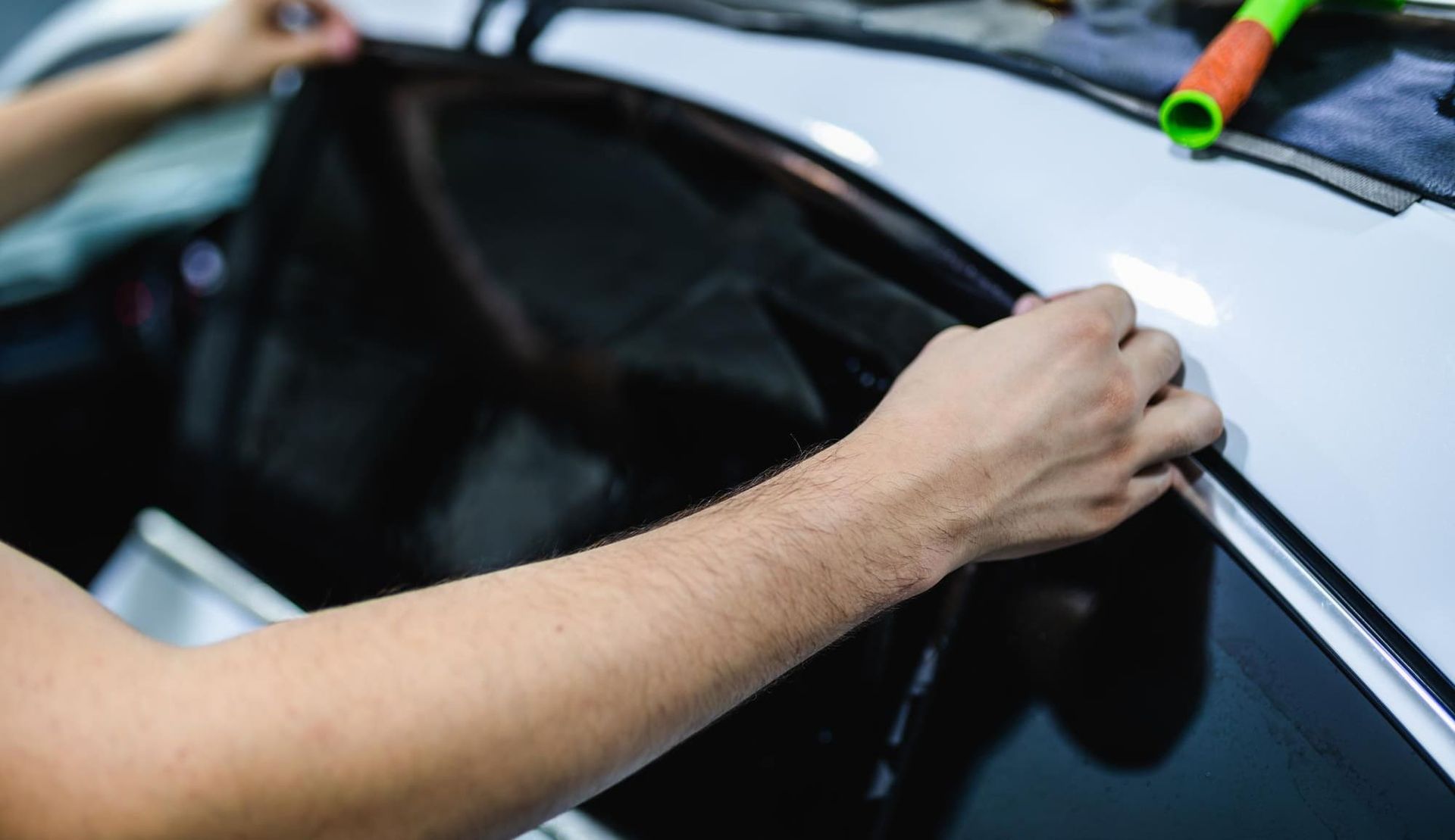
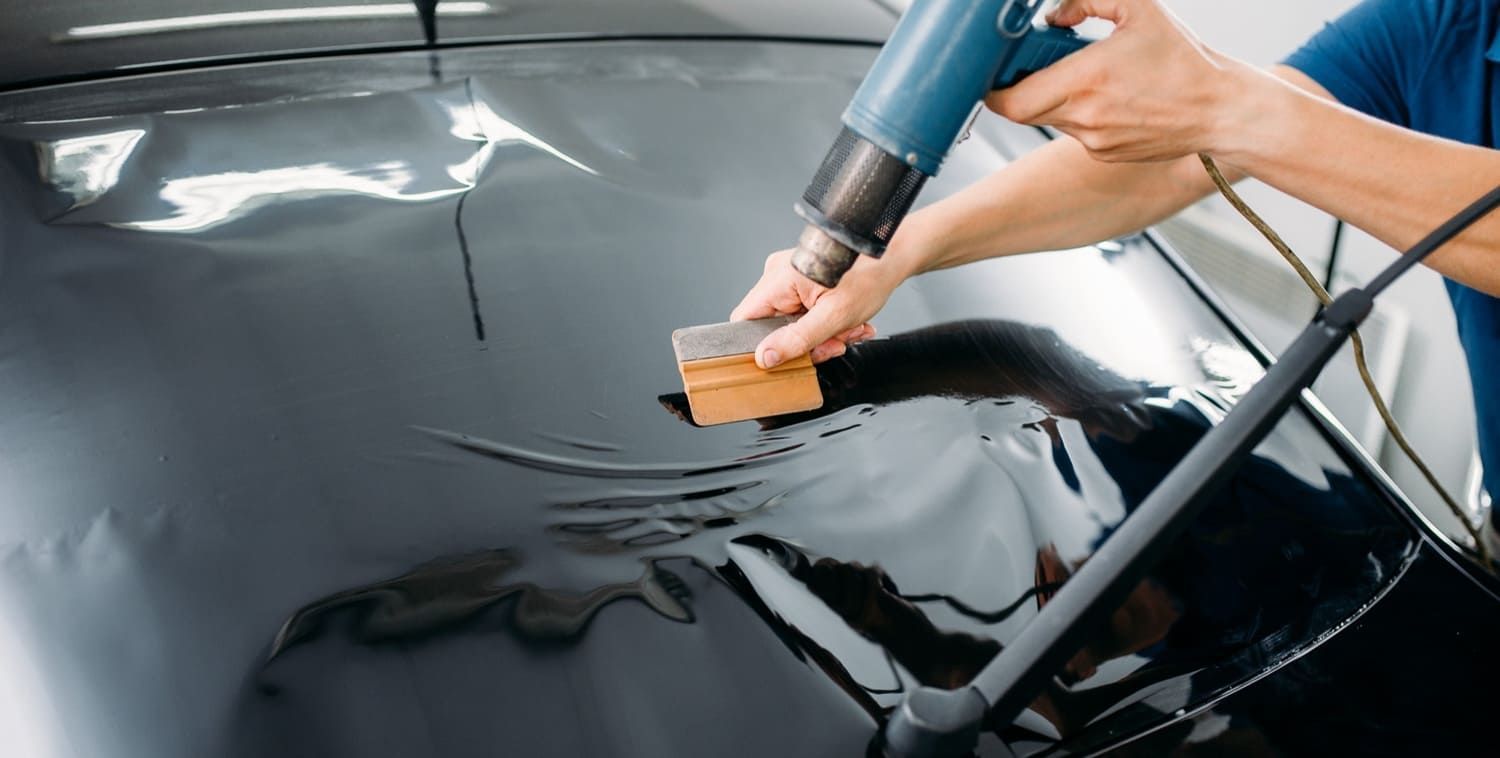
Advanced film performance is not just about the material. It is about precision installation . Professional installers control contamination, properly shrink film to fit curved glass, and ensure clean edges that resist lifting over time. This matters in Tennessee where heat cycles can stress film and adhesive if installation quality is poor.
What professional installation protects
- Performance : correct application improves clarity and reduces the chance of trapped debris that can create haze or bubbles.
- Longevity : proper squeegee technique and edge work help prevent peeling and lifting.
- Vehicle safety : experienced shops protect trim, defroster lines, and electronics during installation.
- Warranty eligibility : many manufacturer-backed warranties require professional installation and documentation.
At
Full Throttle Custom Automotive , we install
LLumar Auto Window Tint Lebanon TN drivers choose for long-term durability, optical clarity, and engineered infrared heat rejection. If you are choosing between ceramic and graphene, the best next step is a consultation that matches your driving habits, shade preferences, and performance goals to the right LLumar film option.
FAQ: Ceramic vs Graphene Window Tint
Is graphene tint better than ceramic tint?
It depends on the specific product and what “better” means for you. Compare published IR and TSER specs, clarity, warranty coverage, and installer support. Many drivers choose premium ceramic for proven comfort and long-term reliability.
Which blocks more heat, ceramic or graphene?
Heat performance varies by brand, shade, and test method. Look at TSER and IR rejection at the same wavelength, then confirm the film is non-metallic and professionally installed for real-world performance.
What does “ceramic tint heat rejection” really mean?
It refers to the film’s ability to block infrared energy that contributes to felt heat, often shown as IR rejection and TSER values on the spec sheet.
Does darker tint always block more heat?
No. Darker film reduces visible light, but advanced films can block significant heat even in lighter shades. Technology and TSER matter more than darkness alone.
How long does ceramic tint last?
Premium ceramic films are designed for long-term durability, often many years, especially when installed professionally and maintained correctly. Always check the manufacturer warranty details.
Will tint interfere with my GPS, Bluetooth, or cell signal?
Non-metallic films are generally the best choice for signal compatibility. Ceramic films are commonly selected for this reason. If you are considering a film with metallic content, ask about interference risk.
Is ceramic vs graphene window tint noticeable from the outside?
In many cases, both can look very similar in the same shade. The difference is typically more about performance, clarity, and long-term stability than appearance.
Does window tint help with glare in Tennessee sun?
Yes. Quality films can reduce glare, which can help comfort and reduce eye strain, especially during bright afternoon driving.
Is window tint legal in Tennessee?
Tennessee has rules based on window location and VLT. Because laws can change, confirm current requirements before choosing a shade. A professional shop can help you select a compliant option.
Can I tint my windshield in Tennessee?
Windshield rules are stricter than side windows. If you want heat reduction without heavy darkening, ask about lighter, high-performance film options that focus on IR rejection while staying within legal guidelines.
How much does ceramic tint cost in Lebanon, TN?
Price depends on vehicle type, number of windows, and film selection. Premium films cost more upfront but often deliver better long-term value and comfort.
How much does graphene tint cost compared to ceramic?
Pricing varies by brand. Some graphene products are priced as a premium tier. Compare performance and warranty terms to ensure the price aligns with real benefits.
What warranty should I expect?
Look for coverage that addresses bubbling, peeling, cracking, discoloration, and adhesive failure. Keep documentation from your installer for warranty validation.
How do I clean and maintain tinted windows?
Use ammonia-free cleaner and a microfiber towel. Avoid abrasive tools. Follow curing instructions after installation so the film bonds properly.
Conclusion: Choose the Right Heat-Blocking Film for Middle Tennessee
If you are researching ceramic vs graphene window tint , focus on the outcome you want: a cooler cabin, less harsh infrared heat, strong UV protection, clear visibility, and a film that stays stable for years in Tennessee conditions. Ceramic window tint is widely trusted because it provides excellent ceramic tint heat rejection with non-metallic construction and strong optical clarity. Graphene products may also offer high performance, but results depend on the exact film and the quality of the manufacturer’s specs and warranty.
The fastest way to get confident in your decision is to compare real performance data, choose a film engineered for long-term durability, and have it installed professionally.
Full Throttle Custom Automotive installs
LLumar Auto Window Tint Lebanon TN
drivers rely on for superior infrared heat rejection, UV protection, and optical clarity designed for lasting performance.
Ready to stay cooler this summer?
Contact
Full Throttle Custom Automotive in
Lebanon, TN for a
free estimate. We will recommend the right
LLumar film based on your vehicle, your preferred shade, and your comfort goals so you can enjoy a cooler, more comfortable drive across
Middle Tennessee.