What’s the Best Window Tint for Night Driving Visibility?
Night driving visibility is a real concern for many drivers in Lebanon, TN and surrounding areas because your eyes have less usable light to work with, while glare from headlights, LED streetlights, and wet pavement can feel more intense than ever. That glare is not just annoying. It can cause eye strain, reduce contrast, and slow reaction time, especially when you are dealing with oncoming traffic, uneven lighting, and reflective road markings.
Window tintcan help reduce daytime heat, block UV exposure, and cut harsh sunlight glare, but it can also hurt night time clarity if the film is too dark or if the technology creates haze or distortion. Choosing the correct film is essential for safe and comfortable night driving. The best approach is to understand visible light transmission, how different tint technologies handle glare, and what
Tennessee laws allow, then match a legal shade and high clarity film to how and where you drive.
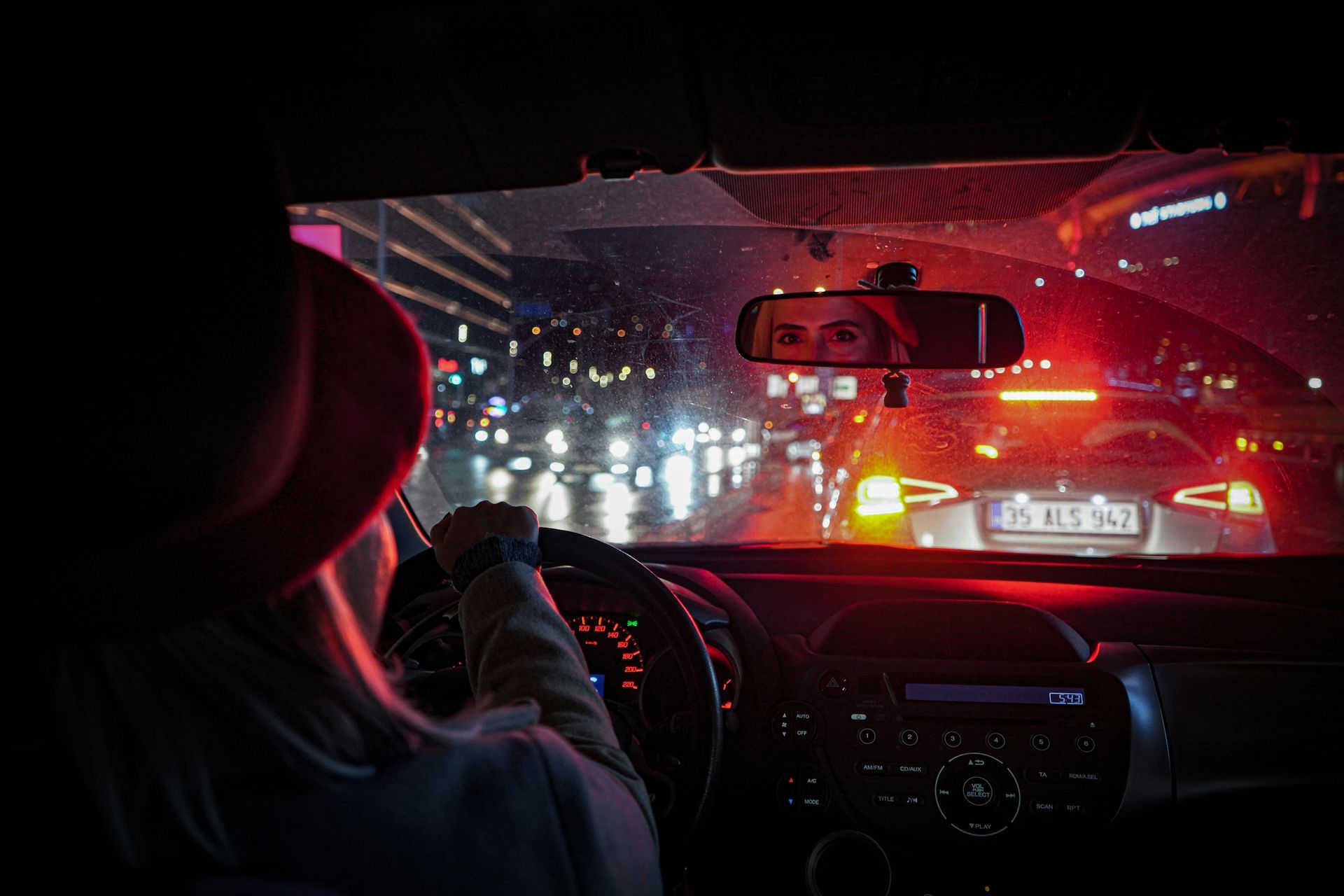
Table of Contents
- visible light transmission and night clarity
- Why darker is not always better for glare
- Dyed vs carbon vs ceramic vs nano ceramic films
- How non metallic ceramic supports clarity
- Tennessee tint laws and night driving choices
- Windshield tint best practices for visibility
- Why professional installation makes a difference
- FAQ
- Conclusion and CTA
1. Visible light transmission and night clarity
When people search for the best window tint for night driving, they often focus on the brand or the shade number first. A better starting point is visible light transmission, usually shortened to VLT. VLT is the percentage of visible light that passes through the combined system of glass plus film. Higher VLT means more light reaches your eyes. Lower VLT means a darker window that blocks more visible light.
At night, visible light is limited. That means your eyes already operate closer to their lower threshold, especially on unlit county roads outside Lebanon, TN or during winter evenings when the sun sets early. If you reduce available light too much, objects lose definition. Pedestrians blend into backgrounds, dark vehicles become harder to detect, and distance judgment becomes less precise. This is the key reason night driving visibility window tint decisions are so different from daytime comfort decisions.
VLT is not the only thing that matters. Two films with the same nominal VLT can perform differently at night. Optical clarity, internal haze, and how the film handles light scatter are critical. A high quality film can look clean and sharp at night, while a lower quality product can create starbursts and halos around headlights that make driving feel tiring. That is one reason many local drivers choose premium products like LLumar auto window tint when night comfort is a priority.
To keep the concept practical, think about VLT like a budget of usable light. Your goal is to keep enough light for safe recognition, while improving comfort during the day. Many drivers assume that any tint will improve glare at night. In reality, too dark a film reduces glare and useful light at the same time, which can increase risk. The best window tint for night driving usually leans lighter, especially on the front side windows where you need to see mirrors, cross traffic, and pedestrians.
| VLT range | How it typically feels at night | Common driver experience | Best use case |
|---|---|---|---|
| 70% to 50% | Very clear to slightly shaded | Good visibility, mild glare control | Visibility first drivers, mixed day and night |
| 49% to 35% | Moderately shaded | Some drivers notice reduced clarity on dark roads | Balanced privacy and comfort, careful selection |
| 34% to 20% | Noticeably darker | More glare reduction, bigger visibility tradeoff | Daytime heavy driving, avoid if night sensitive |
| 19% and below | Very dark | High risk for night visibility issues | Not recommended for night driving focus |
2. Why darker is not always better for glare
Glare is one of the most frustrating parts of driving at night. It is also a word people use to describe several different problems. There is direct glare from oncoming headlights. There is reflected glare from wet pavement. There is internal glare from your own dashboard reflecting on the glass. There is also discomfort glare, which is the sensation of brightness that makes you squint, and disability glare, which reduces your ability to see detail.
Darker tint reduces some brightness because it reduces visible light. That can help with discomfort glare in the daytime. At night, however, the same reduction can create a different problem. You may feel less bothered by the brightness, but you may also see less of everything else. Your brain interprets this as “less glare,” but your situational awareness can still be reduced.
Another reason darker tint does not always mean better performance is light scatter. Some films, especially lower quality dyed films or older products, can create a hazy look at night. That haze turns point light sources into smeared halos. Drivers then assume they need darker tint to fight the halo effect. The better fix is usually a higher clarity film technology and a legal, appropriate shade. Ceramic window tint clarity is often the difference people notice. Headlights look more defined, not more smeared.
For Lebanon, TN drivers, the best strategy is to treat glare as a system problem. Proper film choice is one part. Clean glass, clean headlights, and a windshield free from micro scratches are also part. If your windshield is pitted, even the best tint will not eliminate starbursts. If your wiper blades are leaving film residue, glare will increase. The goal is to improve night time visibility without sacrificing the daytime benefits that made you consider tint in the first place.
3. Dyed vs carbon vs ceramic vs nano ceramic films
Not all window tint is the same. The technology behind the film determines how well it blocks heat, how it looks, how it performs at night, and how long it lasts. When people ask about the best window tint for night driving, the conversation should include film type, not just shade percentage.
Dyed film is often the entry level option. It can reduce visible light and add a darker look. Heat rejection is limited compared to advanced films. Some dyed films can also fade or change color over time. For night driving, the bigger issue is that low cost dyed products may have more haze. If you have ever felt that lights look smeary through a tinted window, this is often why.
Carbon film is usually a step up. It tends to have better color stability and improved heat rejection compared to basic dyed film. Many drivers like carbon because it can look rich and uniform. For night driving visibility window tint goals, carbon can be a reasonable option if it is high quality and kept in a moderate VLT range. The issue is that carbon is still primarily managing light and some heat, rather than maximizing infrared rejection while staying light.
Ceramic film uses ceramic particles to improve heat rejection, especially in the infrared range, while maintaining good clarity. Because
ceramic films can reject heat without needing to be very dark, they are often recommended when the driver wants daytime comfort but is sensitive to reduced night visibility. This is why many local drivers in Lebanon TN window tint conversations ask specifically about ceramic window tint clarity.
Nano ceramic film is an evolution that can further improve performance by using smaller particle technology to optimize heat rejection and reduce haze. The practical outcome is that you can often select a lighter, more night friendly shade while still achieving excellent daytime comfort.
| Film technology | Typical strengths | Potential night driving drawback | Best fit for night focused drivers |
|---|---|---|---|
| Dyed | Affordable, darker appearance | May haze, may fade, limited heat rejection | Usually not ideal |
| Carbon | Better appearance, improved stability | Still needs darker shades for more heat control | Moderate, depends on shade |
| Ceramic | High heat rejection, strong UV protection | Higher cost, must be installed cleanly | Often ideal |
| Nano ceramic | High performance with lighter shades | Higher cost, quality varies by brand | Excellent option |
4. How non metallic ceramic supports clarity
Metalized films can sometimes create signal interference and can have a more reflective look. For many drivers, the bigger question is optical clarity. Non metallic ceramic films are designed to be highly transparent while still rejecting heat. That combination is valuable for night time driving because you can maintain a higher VLT and still achieve noticeable comfort in the daytime.
Good ceramic films also tend to have lower internal haze. Haze is what makes lights bloom into larger shapes. When haze is reduced, your eyes can focus on the edges of objects, not just bright spots. That matters on poorly lit roads, in rain, and around construction zones where lighting is inconsistent. It also matters in older neighborhoods where streetlights may be spaced farther apart.
Another advantage is that ceramic films can help reduce harsh sunlight glare and help manage bright reflections in the daytime. The best approach for many Tennessee drivers is to choose a film that delivers glare control and heat rejection with a lighter shade on the front side windows. That allows you to see better at night and still enjoy daytime comfort.
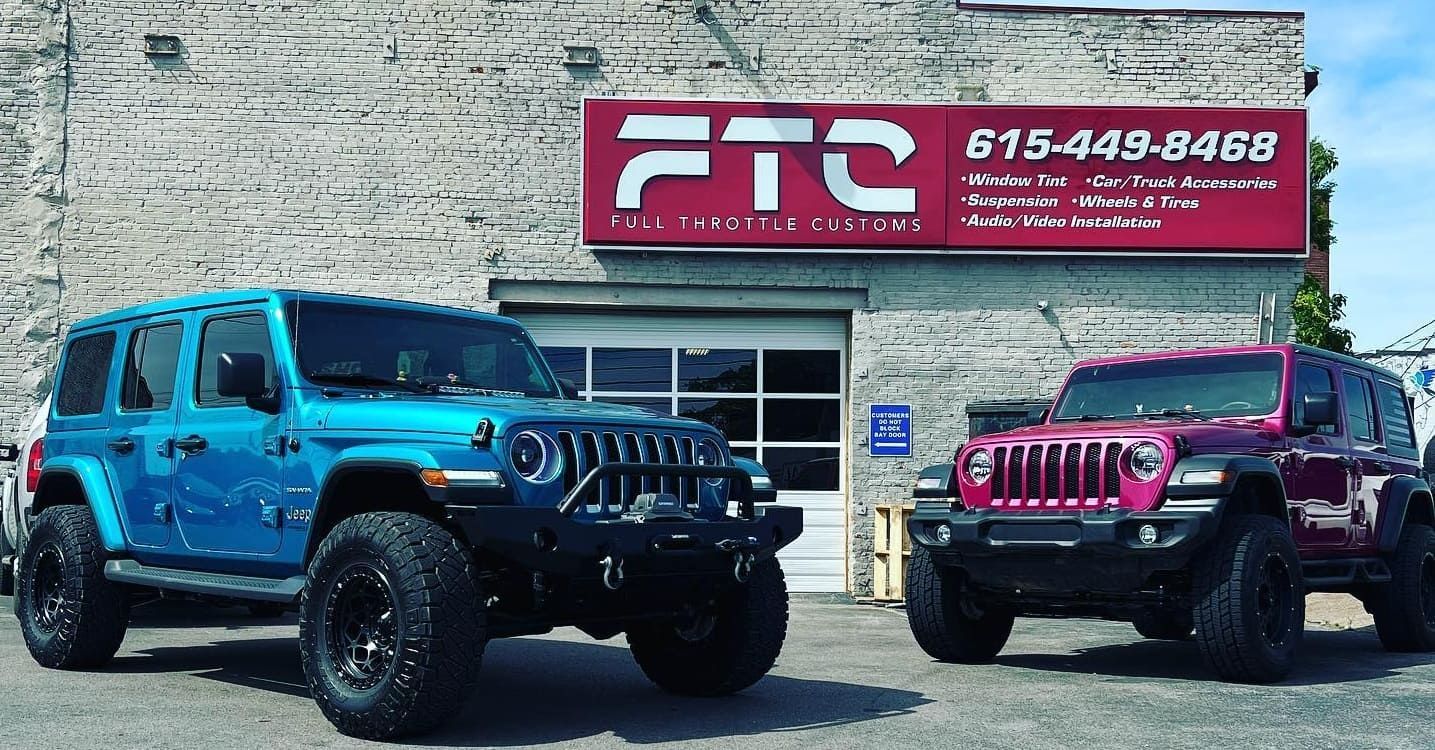
Full Throttle Custom Automotive installs LLumar Auto Window Tinting products designed to reduce glare and heat while maintaining excellent night time visibility. In practice, that means choosing the right film series and the right shade for the front side windows, then balancing privacy and comfort needs for rear glass. A professional consultation helps you align tint choice with how you actually drive, not just how you want the vehicle to look.
5. Tennessee tint laws and night driving choices
Tennessee window tint laws affect what is realistic for night driving visibility. If the legal limit requires a certain VLT on front windows, that can help keep drivers from choosing extremely dark film that harms visibility. At the same time, drivers still have choices within the legal ranges, and those choices matter.
To choose the safest tint, you want to do three things. First, confirm the legal VLT requirements for your vehicle type. Second, remember that the meter measures the combined VLT of glass and film. Third, choose a shade that supports your night driving comfort, not just daytime appearance. If you frequently drive after 8 pm or commute early in the morning, you should weight the decision toward higher VLT on the front windows.
| Window position | Visibility priority | Night friendly strategy | Day comfort strategy |
|---|---|---|---|
| Front side windows | Highest | Use lighter VLT and high clarity ceramic | Focus on IR rejection, not darkness |
| Rear side windows | Moderate | Choose shade based on mirrors and backup comfort | Can go darker if legal and desired |
| Rear windshield | Moderate | Consider backing up at night and visibility in rain | Balance privacy with clarity |
If you want a crisp answer to the best window tint for night driving under Tennessee tint laws, it is usually a lighter shade on the front glass paired with a high performing ceramic or nano ceramic film. That gives you the comfort features without the night time penalty.
6. Windshield tint best practices for visibility
Windshield tint is a separate conversation because the windshield is your primary forward visibility area. Even a small increase in haze or a small decrease in visible light can affect how quickly you detect hazards at night. If you are considering windshield film for UV protection or heat reduction, prioritize high clarity and ensure it is legal. If you are considering a top tint strip, keep it within legal limits and avoid making it too dark.
For night driving, the best practices are simple. Keep the main windshield as clear and clean as possible. Fix wiper streaking. Replace pitted glass if glare is severe. If you use any film, choose a premium product that is designed for optical clarity. Avoid stacking layers. Also ensure camera and sensor areas remain compatible with any film approach, since many modern vehicles rely on those systems for safety features.
| Windshield option | Night driving impact | Daytime benefit | Best practice |
|---|---|---|---|
| No film | Best clarity | None added | Use good sunglasses during the day |
| Legal top strip | Minimal if sized correctly | Helps with low sun glare | Keep it light and within legal height |
| High clarity windshield film | Depends on product and installation | UV and heat reduction | Choose premium clarity and verify legality |
7. Why professional installation makes a difference
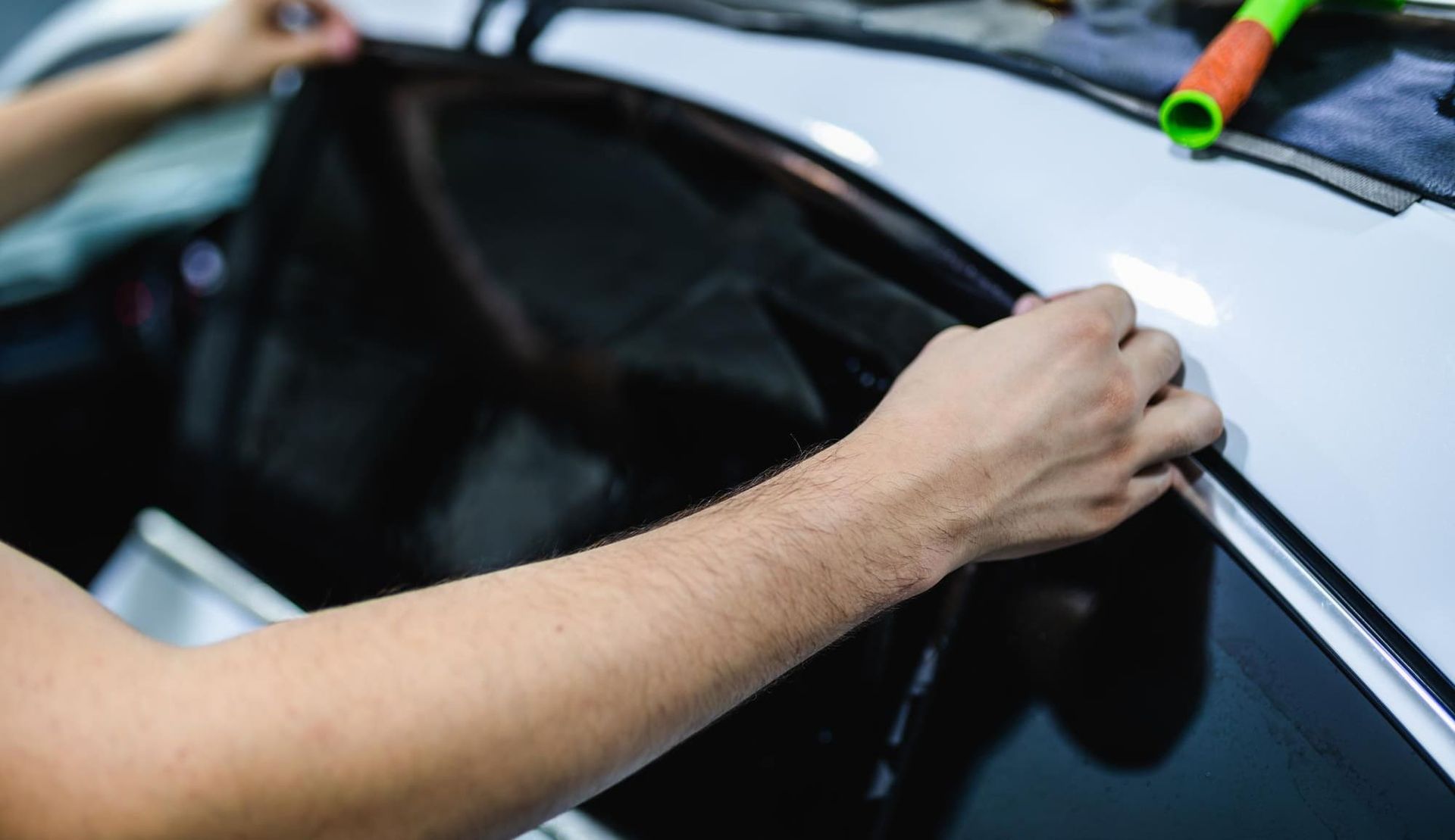
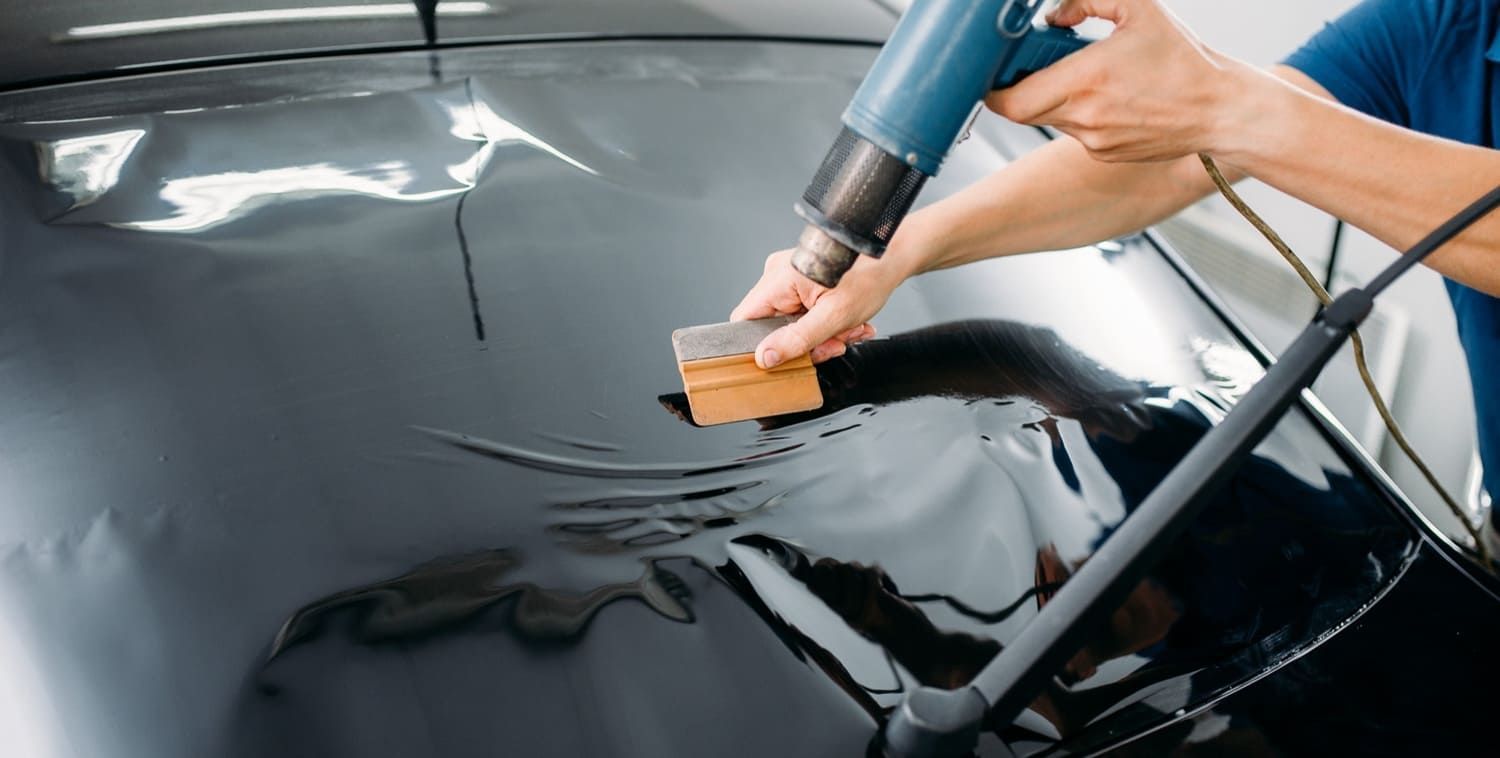
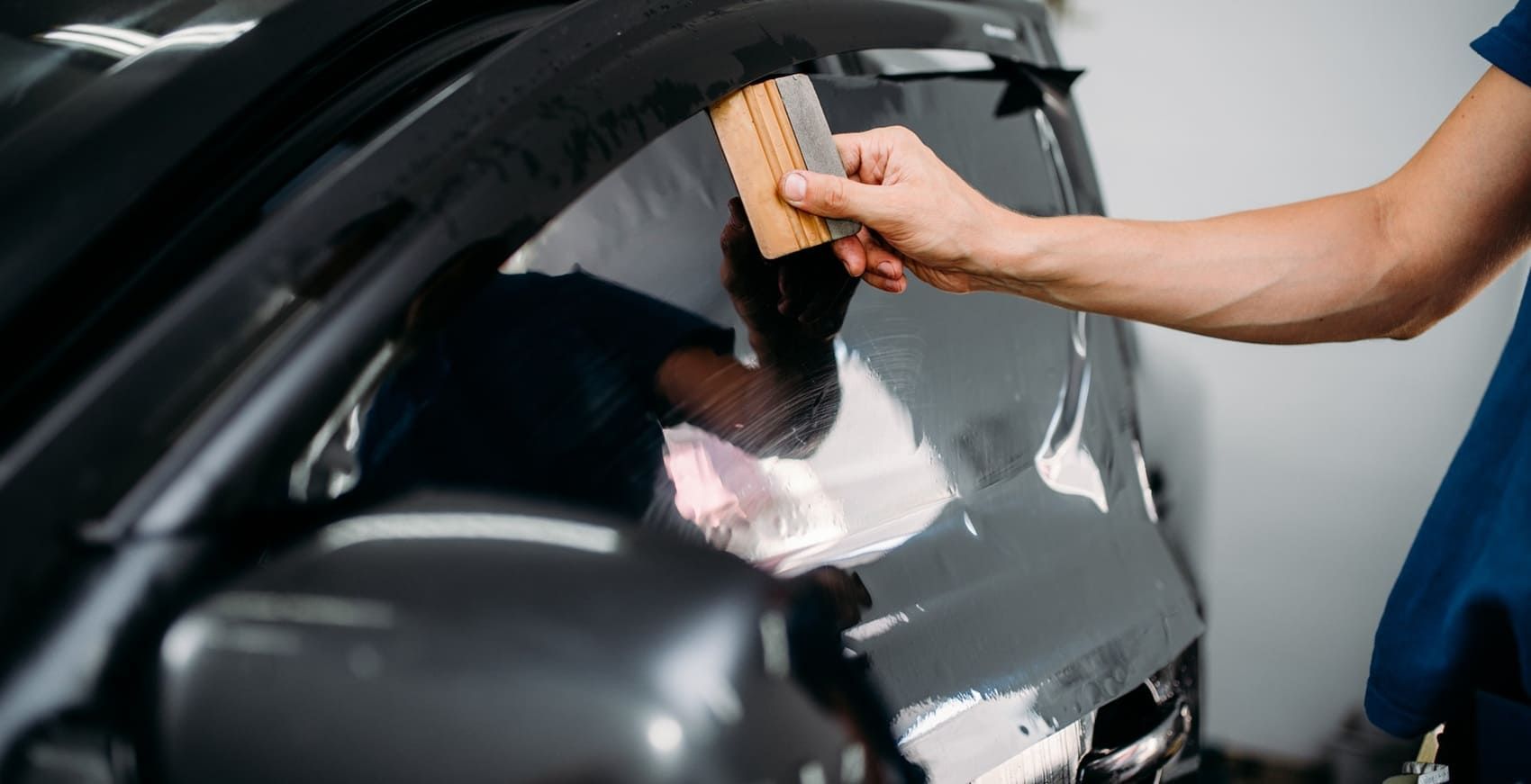
Even the best film can perform poorly if it is installed poorly. Dust, contamination, and edge lifting can create visual distractions at night, especially when light hits the glass at an angle. A clean, professional install helps ensure the film is smooth, clear, and durable.
A professional consultation also helps you choose an appropriate VLT for how you drive. Some drivers spend most of their time on well lit highways. Others drive on darker rural routes where deer crossings and limited shoulder lighting make visibility more important. The right solution can be different even for two drivers in the same neighborhood.
Full Throttle Custom Automotive in Lebanon, TN helps drivers match film choice to real world needs, then installs LLumar Auto Window Tinting products designed to reduce glare and heat while maintaining excellent night time visibility. If you want the best window tint for night driving, this is where expertise matters. The goal is a legal, clean installation that supports confidence when you drive after sunset.
FAQ
Does lighter tint perform better at night?
In many cases yes. Higher VLT allows more light through, which supports night time clarity, especially on darker roads.
What is the best window tint for night driving?
Most drivers do best with a lighter VLT on front windows paired with a high clarity ceramic or nano ceramic film for heat and UV performance.
How does ceramic tint differ from dyed tint?
Ceramic tint can reject more heat and block UV with less darkness. Dyed tint mainly darkens the glass and may have more haze in lower quality products.
Can tint reduce headlight glare at night?
Tint can reduce perceived brightness, but too dark a tint can reduce useful visibility. Optical clarity and windshield condition often matter more.
Is windshield tint legal in Tennessee?
Windshield rules are typically stricter than side windows. Confirm current Tennessee requirements before applying any film.
Will tint hurt my night vision?
Very dark tint can. Choosing an appropriate VLT and a high clarity film helps minimize the risk.
Does nano ceramic tint look dark?
It can be installed in lighter shades. The main advantage is performance without needing extreme darkness.
What tint percentage is safest for night driving?
Many drivers prefer staying in a lighter range on front glass. The safest choice depends on your sensitivity and lighting conditions.
Will tint affect backup camera visibility?
Dark rear glass can reduce visibility through the rear window at night. A balanced approach and good lighting can help.
How do I choose the safest tint shade for my vehicle?
Start with Tennessee legal limits, then choose the lightest shade that meets your comfort goals, and use a high clarity film like LLumar installed by a professional.
Conclusion and CTA
The best window tint for night driving visibility is the one that preserves usable light, minimizes haze, and still delivers daytime heat reduction, glare control, and UV protection. For many drivers in
Lebanon, TN, that means choosing a lighter VLT on the front windows and using ceramic window tint clarity, especially with non metallic ceramic or nano ceramic technology. Staying within Tennessee tint laws and keeping the windshield as clear as possible are also essential steps for safety.
If you want a tint plan that balances visibility and comfort, contact
Full Throttle Custom Automotive in
Lebanon, TN for expert guidance,
professional installation of LLumar Auto Window Tint, and a
free estimatefor window tint solutions that support safer night driving while improving overall comfort and performance.